 |
| Image Source: fbi.gov |
The Federal Bureau of Investigation reports that, in 2008, the Illinois police was tipped that a woman from Chicago took a three-year-old child to a sex party. Physical evidence was wanting and this justice from moving towards indictment.
To support criminal charges, the Regional Computer Forensics Laboratory (RCFL) in Chicago searched the woman’s personal computer and unearthed a deleted email that eventually pointed to the direction of the party venue and later on helped convict three adults of aggravated sexual abuse.
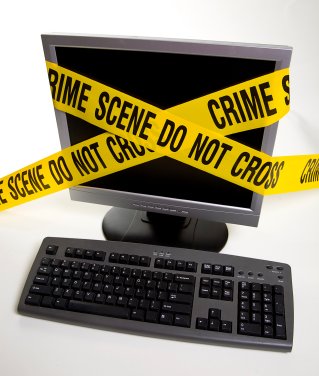
This is a case of computer forensics. The United States Computer Emergency Readiness Team defines computer forensics or digital forensics as the discipline that combines elements of law and computer science to collect and analyze data from computer systems, networks, wireless communications, and storage devices in a way that is admissible as evidence in a court of law.
 |
| Image Source: fbi.gov |
Although it has not been formally recognized as a formal scientific discipline, digital forensics globally resonates in importance in extinguishing criminality and threats in the World Wide Web. Aside from that, it boosts the integrity and survival of computer infrastructure. This new discipline helps organizations implement an in-depth approach to information security, especially to compromised networks. Furthermore, it acquires specific information essential in prosecuting an intruder in legal court.
Studying the legal and technical aspects of computer forensics can do much for an organization’s success. On one hand, it can help capture pertinent information. Ignoring or misusing it, on the other hand, puts any organization at risk of destroying important forensic evidence acceptable in legal court.
 |
| Image Source: itsgov.com |
InfoSec Institute reviews ways to unlock the dark side of computer crime and assists in finding evidence on computers, phones, and cameras needed for investigation. For more detailed information on cyber crime prevention, access this website.
